
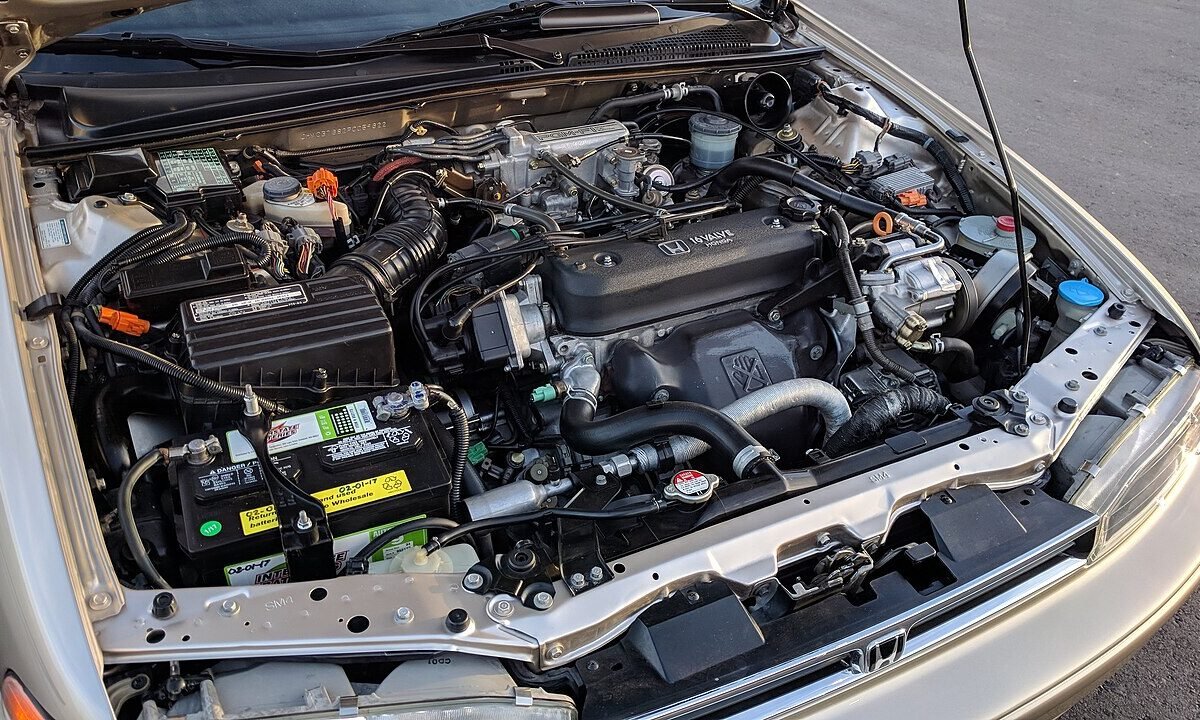

Open the bonnet of a modern turbocharged car and, in a very real sense, you are looking at an engine living closer to the edge than anything your parents drove. Today’s downsized units run hotter and work harder — and the engineering that keeps them from cooking themselves is genuinely clever.
The reason they run hot is efficiency. Squeezing big-engine performance from a small, boosted unit means higher pressures and temperatures inside every cylinder.

Managing the heat
To cope, engineers deploy an arsenal of tricks: precise direct fuel injection that cools the combustion chamber as it sprays, sophisticated thermostats that hold the engine at its ideal temperature, and turbochargers cooled by their own water circuits.
Many engines now run split cooling, letting the cylinder head and block sit at different temperatures because each wants something different for best efficiency and longevity.
A modern engine is not fragile. It is precisely managed, which is a different thing.
— A thermal-management engineer
What it means for you
The practical lesson for owners is simple: these engines depend on their cooling and their oil more than ever. Skip a service or run the wrong oil and the margins that keep them alive vanish quickly.
Treated correctly, a modern turbo engine will run happily for years at temperatures that would have destroyed an older one. The heat is not a flaw — it is the price of the performance you enjoy.