
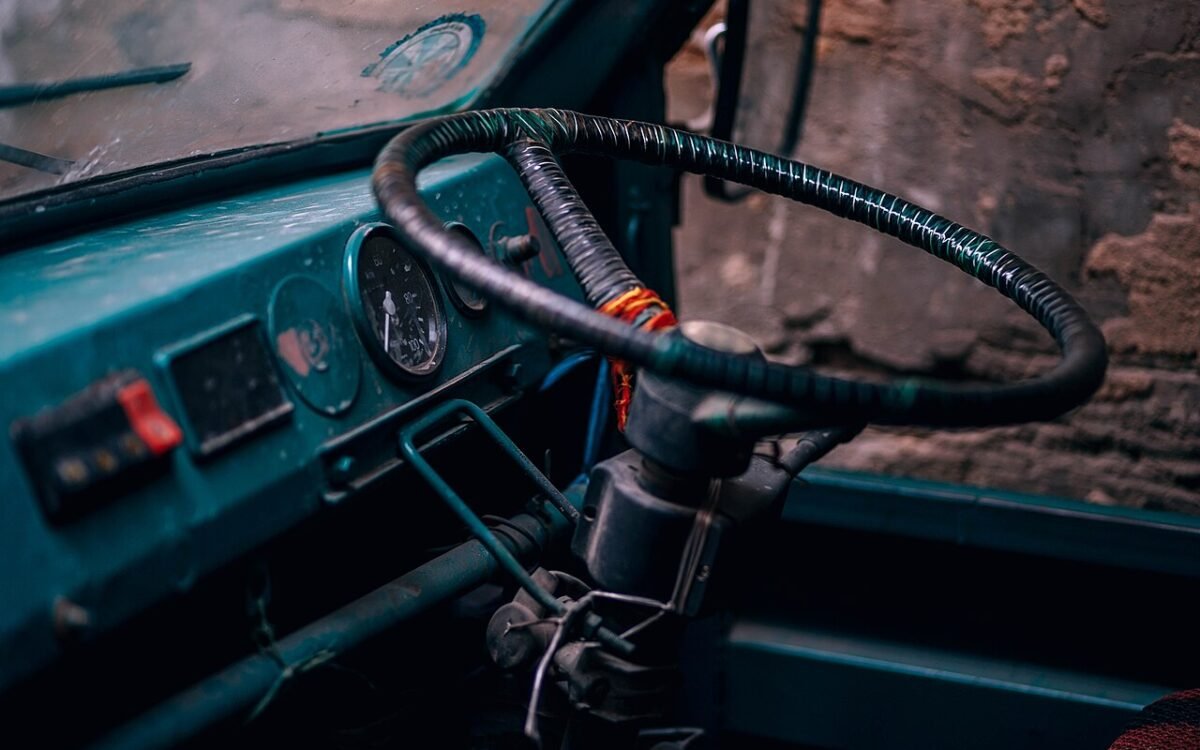

Your new car probably watches the road more attentively than you do, through a suite of sensors most owners never think about. Advanced driver assistance systems, or ADAS, are now standard on more and more cars — so here is a plain-language guide to what they are actually seeing.
The key thing to understand is that no single sensor does the job. ADAS works by combining several, each covering the others’ blind spots.
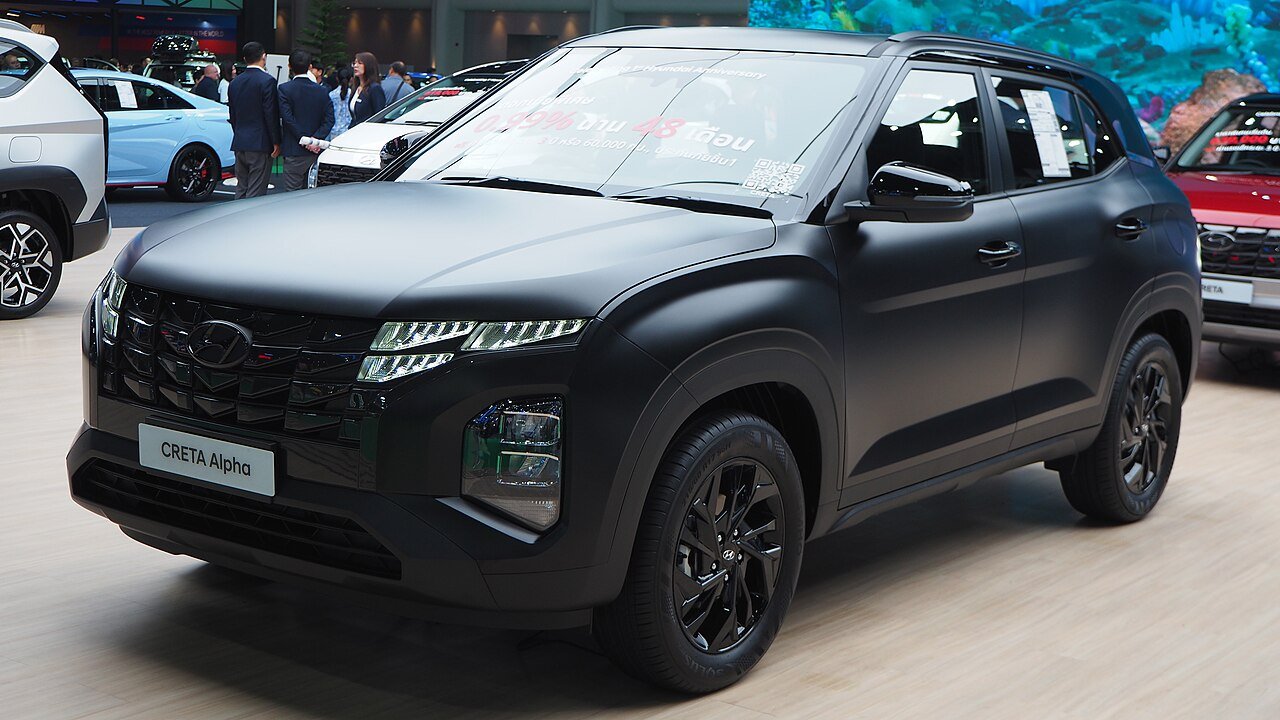
The three senses
Radar measures distance and closing speed, and it works in rain, fog and darkness where cameras struggle. It is what keeps adaptive cruise control a safe gap behind the car ahead.
Cameras add context radar cannot — reading lane markings, road signs and the difference between a pedestrian and a lamppost. Ultrasonic sensors handle the close-range work, like parking.
One sensor gives you data. Three sensors give you confidence.
— An ADAS systems engineer
Knowing the limits
Fusing these inputs, the car builds a live model of its surroundings and acts on it — braking, steering gently, warning you. But each sensor has weaknesses, which is why the systems still demand a human in charge.
Understanding what your car can and cannot see is the first step to using ADAS well. It is an extraordinary co-pilot — but it is a co-pilot, not a driver.