
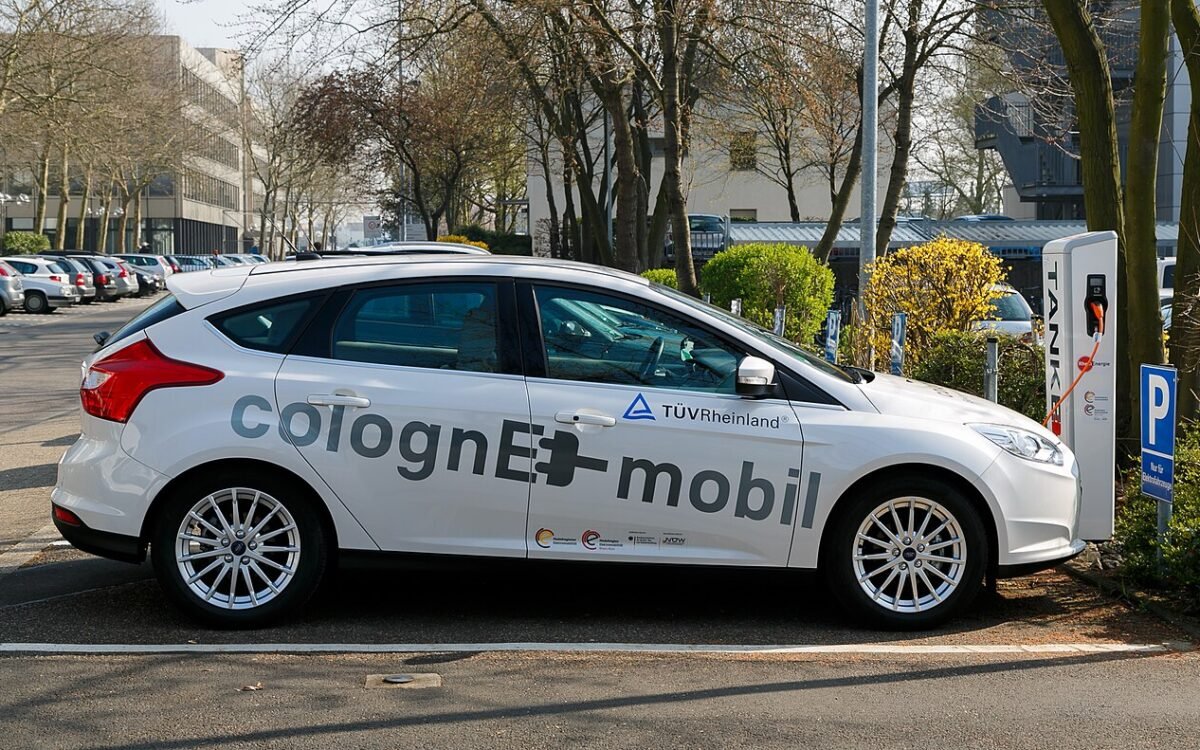

Ask a long-time hybrid or EV owner when they last changed their brake pads and you will often get a puzzled look, followed by a genuine answer of years. It sounds like a miracle. It is actually just physics, and understanding it explains one of electrification’s quietest benefits.
Conventional brakes work by turning motion into heat through friction. That heat is energy thrown away, and the friction slowly eats your pads and discs.
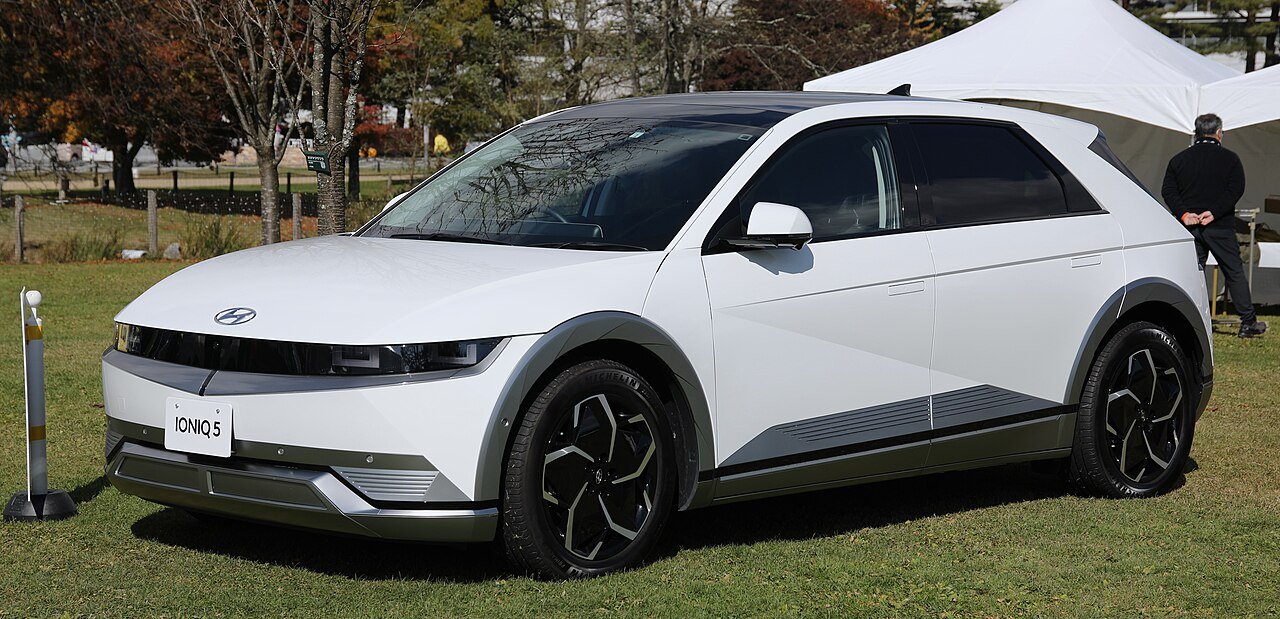
The motor as a brake
In an electric or hybrid car, lifting off the accelerator lets the electric motor run backwards as a generator. Slowing the car this way sends energy back into the battery instead of wasting it as heat.
Because the motor does most of the routine slowing, the friction brakes are called upon far less — often only for hard stops. Less use means dramatically less wear.
The pad that lasts forever is the pad you almost never use.
— A brake-systems engineer
The one catch
There is a downside worth knowing. Brakes that are rarely used can develop surface rust or seize slightly, especially in damp climates. Occasional firm stops keep them healthy.
So enjoy the years between pad changes — just remember to give the friction brakes a proper workout now and then to keep them in shape.