

India has quietly passed a landmark that seemed distant only a few years ago: more than fifty lakh electric vehicles now share the country’s roads. It is a genuine milestone — with an important caveat about what those five million vehicles actually are.
The headline number flatters the car industry, because the overwhelming majority of those EVs have two wheels, not four.
A two-wheeled revolution
Electric scooters and motorcycles have driven the surge, propelled by low running costs, short urban commutes and a purchase price that has finally reached parity with petrol equivalents for many buyers.
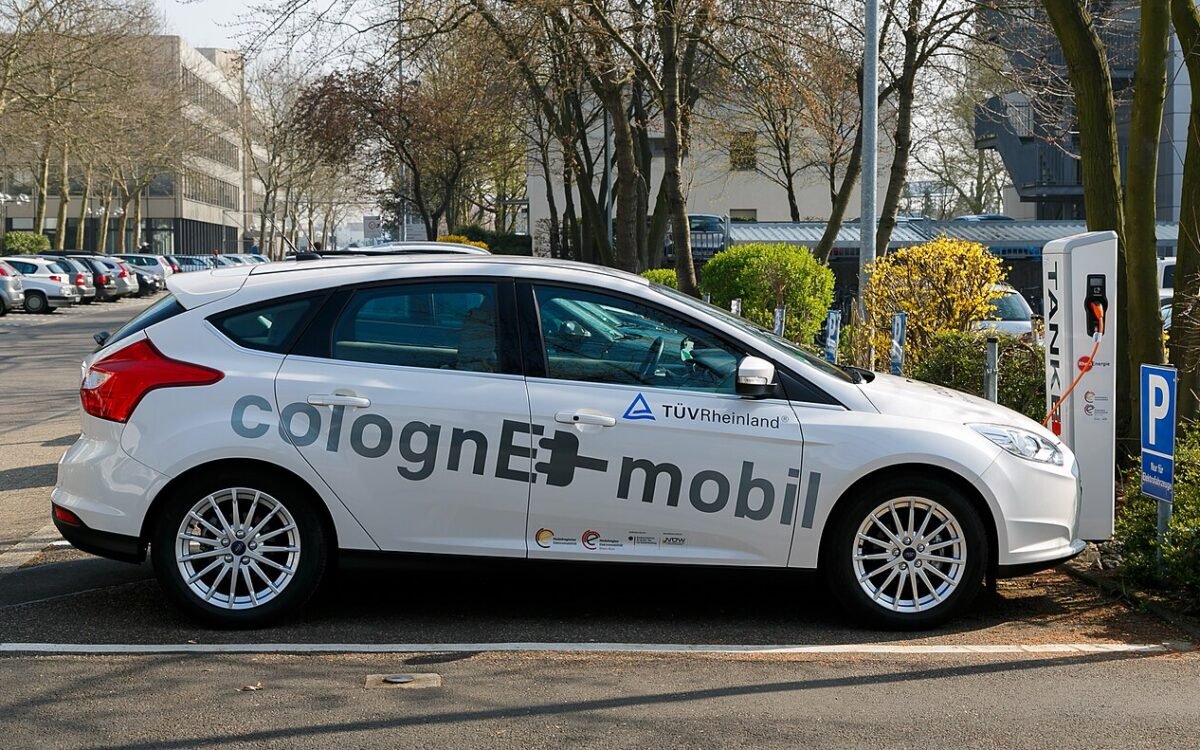
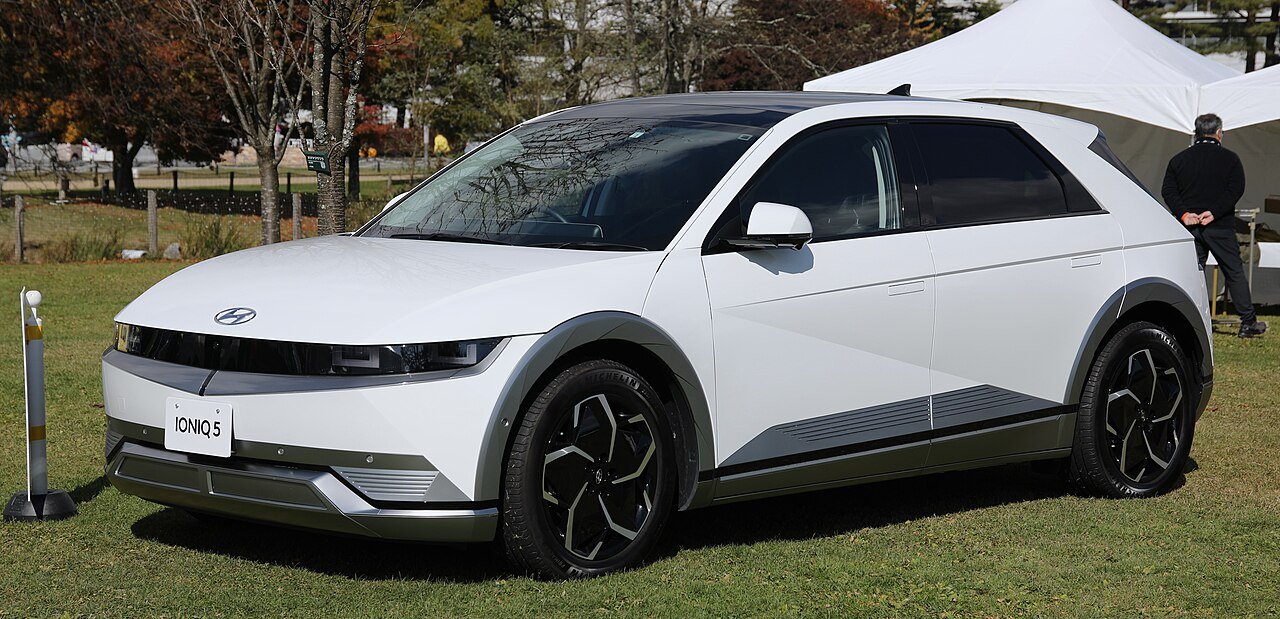
Electric cars, by contrast, remain a smaller slice — growing fast in percentage terms, but from a modest base, held back by price and charging anxiety.
India did not wait for the electric car. It went electric on two wheels first.
— A mobility researcher
What comes next
The next phase depends on cars, and specifically on affordable ones. The models arriving this year at sharper price points will decide whether four-wheeler adoption follows the two-wheeler curve.
Fifty lakh is worth celebrating. The more interesting number is the next one — and whether cars, at last, make up a meaningful share of it.