
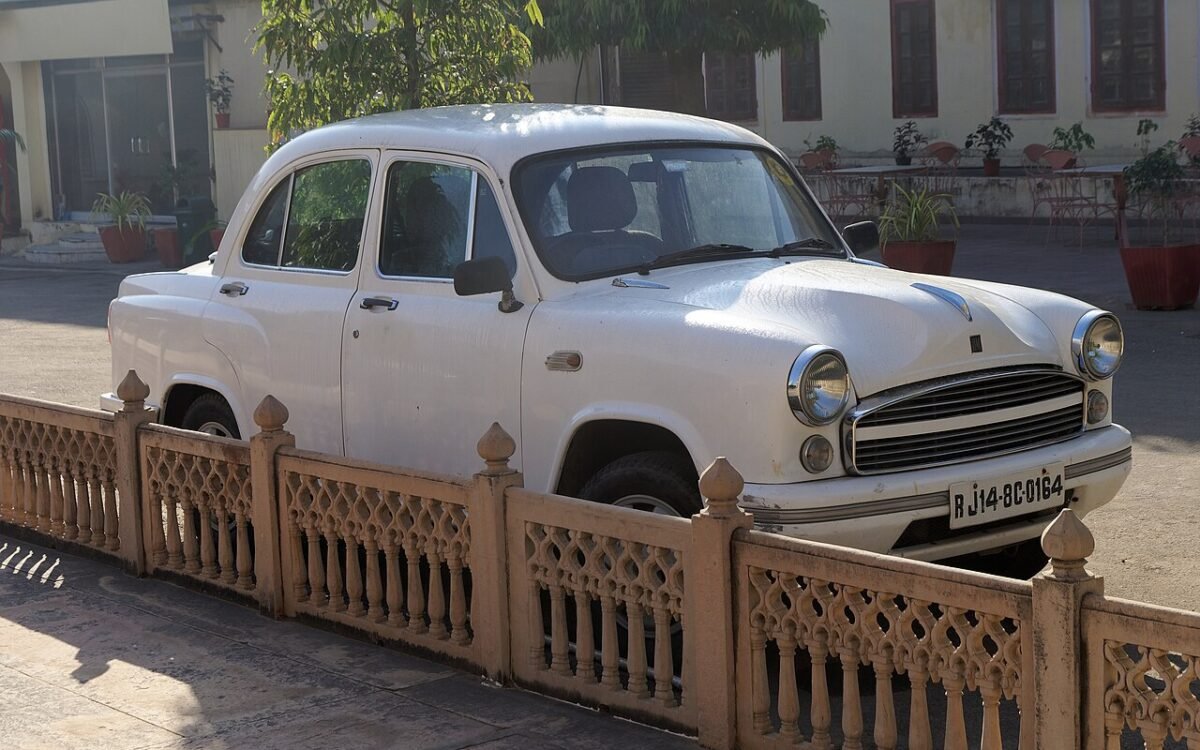

The Hindustan Ambassador has not been built in years, yet in a narrow lane in Kolkata a workshop is busier than ever, kept alive by owners who refuse to let the most Indian of cars fade quietly into scrap. Spend a day here and you understand why.
The cars arrive in every condition — daily-driven taxis, cherished family heirlooms, and hopeless rust-buckets that leave restored to a shine their owners had given up on.
The keepers of the craft
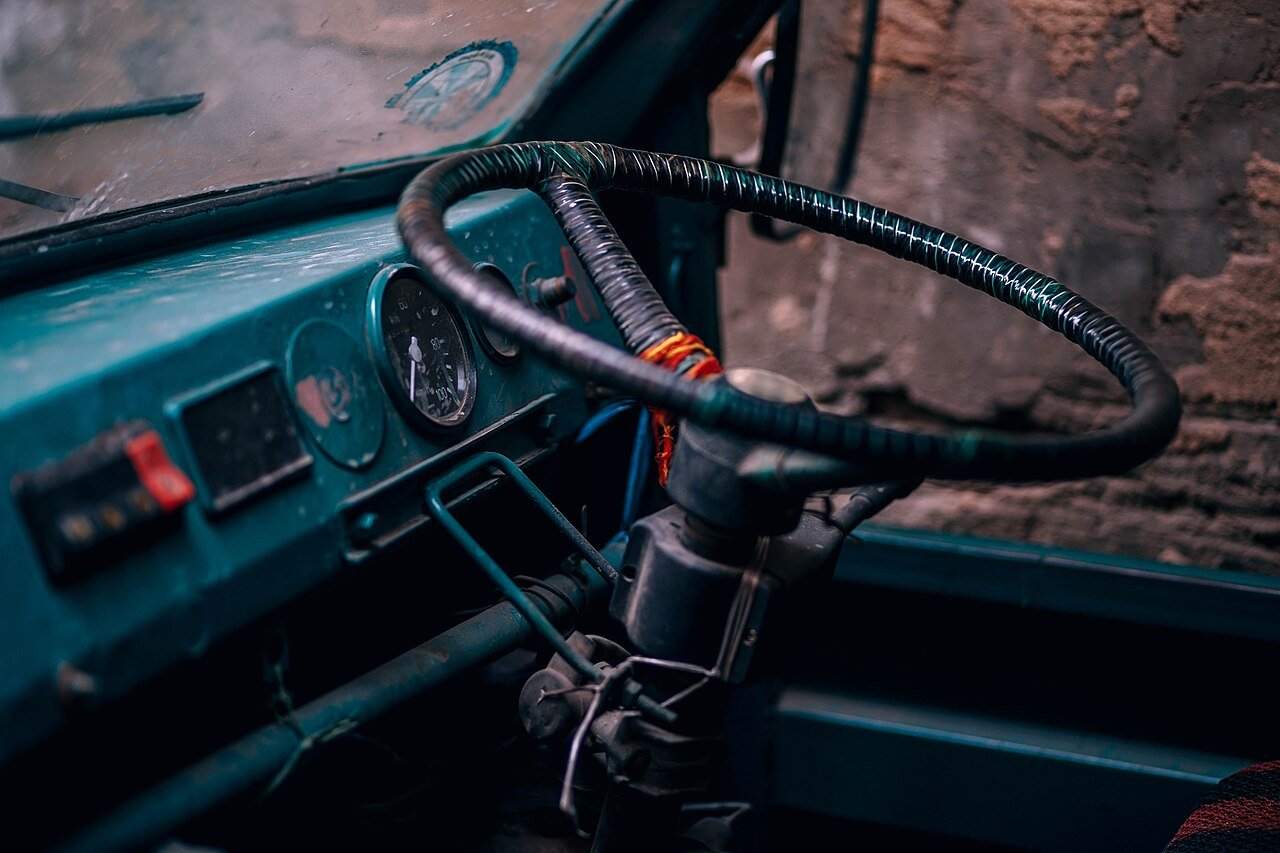
The mechanics here learned the Ambassador the old way, by hand and by ear, and they can diagnose most faults from the sound alone. Parts, increasingly, are fabricated in-house because the supply dried up long ago.
There is no computer diagnostic here, no plug-in scanner. There is a spanner, a memory of ten thousand previous repairs, and an evident pride in keeping something running that the market abandoned.
The factory stopped. We did not.
— The workshop’s senior mechanic
Why it matters
The Ambassador was never fast or refined, but for decades it was the car India was governed and married and buried in. That cultural weight is exactly what keeps these owners coming back.
Production may never resume. But as long as workshops like this one exist, the Ambassador is not a museum piece — it is still, stubbornly, a car.