
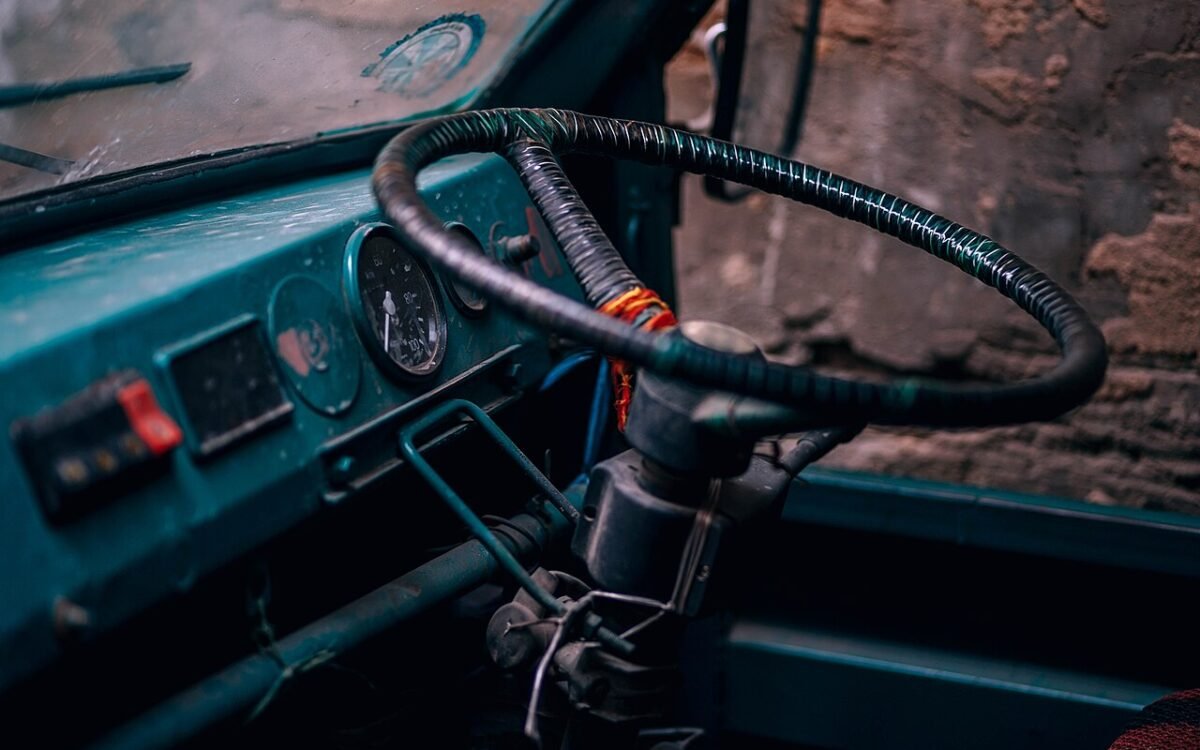

Ask any driver who learned their craft before 2015 what they miss most about older cars, and a surprising number will not say the noise, or the manual gearbox. They will say the steering — specifically, the feeling that the front wheels were telling them something.
That feeling had a name and a mechanism: hydraulic power steering. A belt-driven pump, a column of pressurised fluid, and a direct-ish path from the contact patch to your palms.
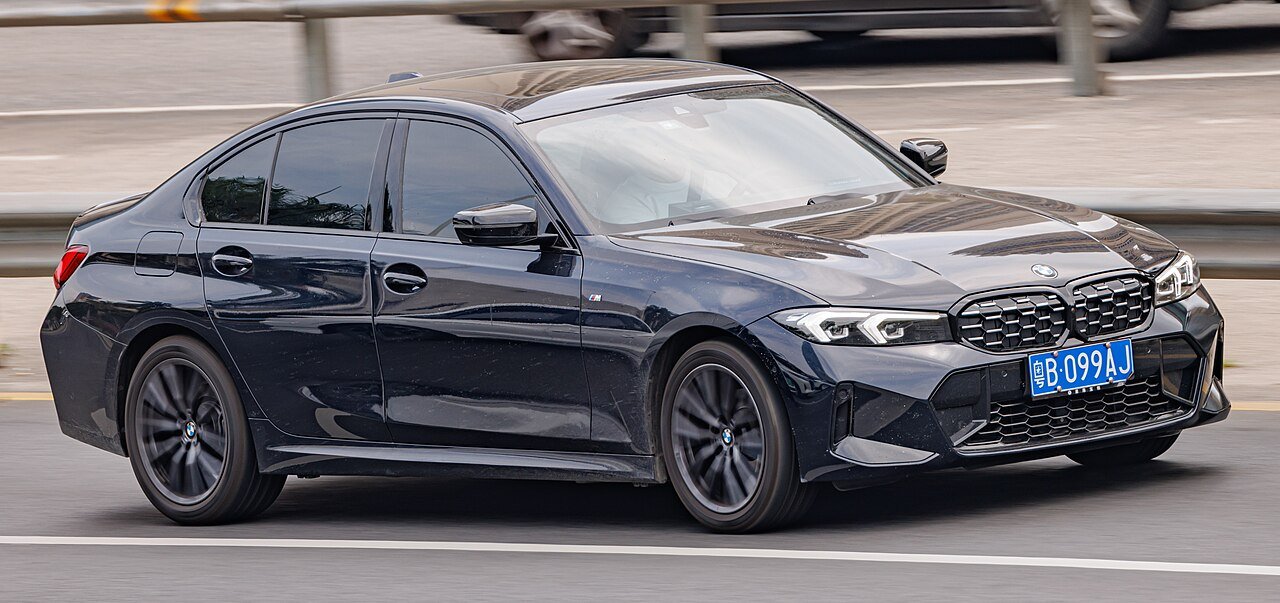
Why it went away
Electric power steering replaced it for reasons that are hard to argue with. It draws no power when you are going straight, which helps fuel economy. It can be tuned in software. And crucially, it can turn the wheel by itself, which is the entire foundation of lane-keep assist and self-parking.
The trade-off was texture. Early electric racks filtered out road feel along with the vibration, and an entire generation of cars felt numb as a result.
Hydraulic steering did not talk to you. It let the road talk to you.
— An old chassis engineer, now retired
The quiet revival
The good news is that the best modern electric racks — in cars like the current 911 and the Alpine A110 — have clawed much of that feel back through sheer engineering effort. Feel, it turns out, can be rebuilt; it just takes will.
Hydraulic steering is not coming back. But understanding what it did helps you appreciate the handful of engineers still fighting to keep the conversation alive.